
Leadership, Eldership, and the Trauma Beneath Our Institutions — Zena Me | AEM #93
Leadership, Eldership, and the
Trauma Beneath Our Institutions
AEM Podcast #93 with Zena Me
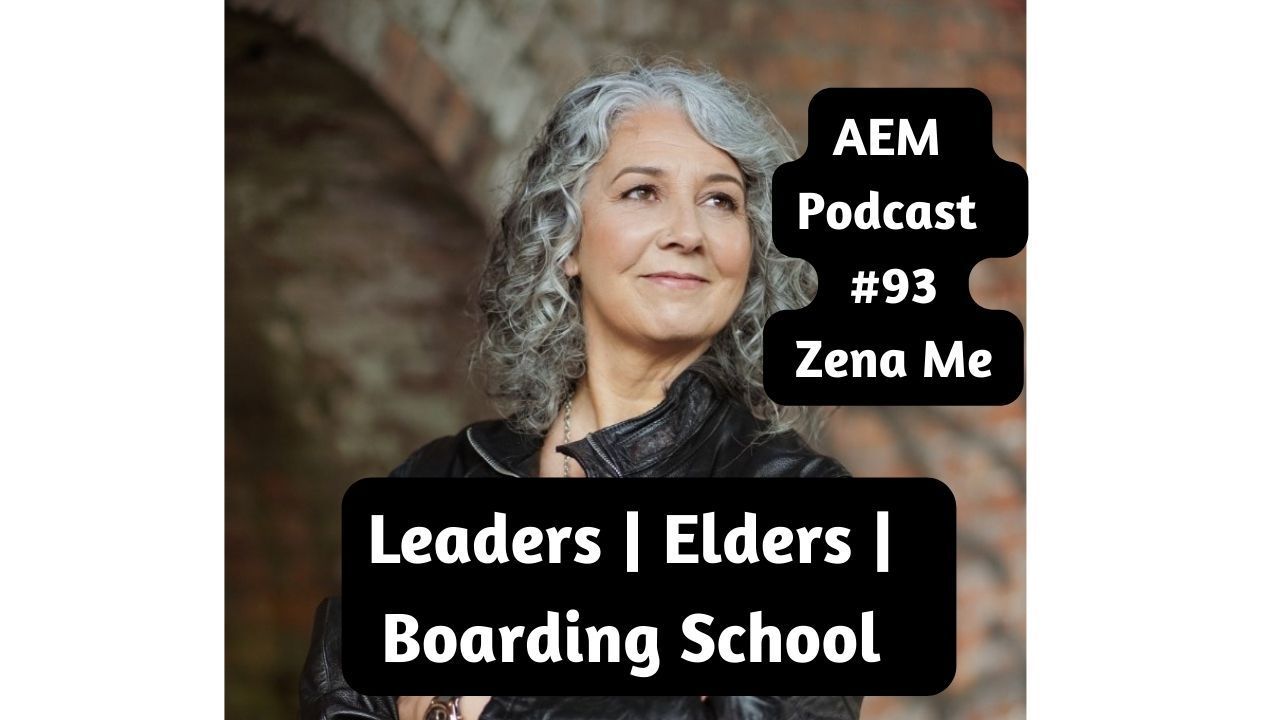
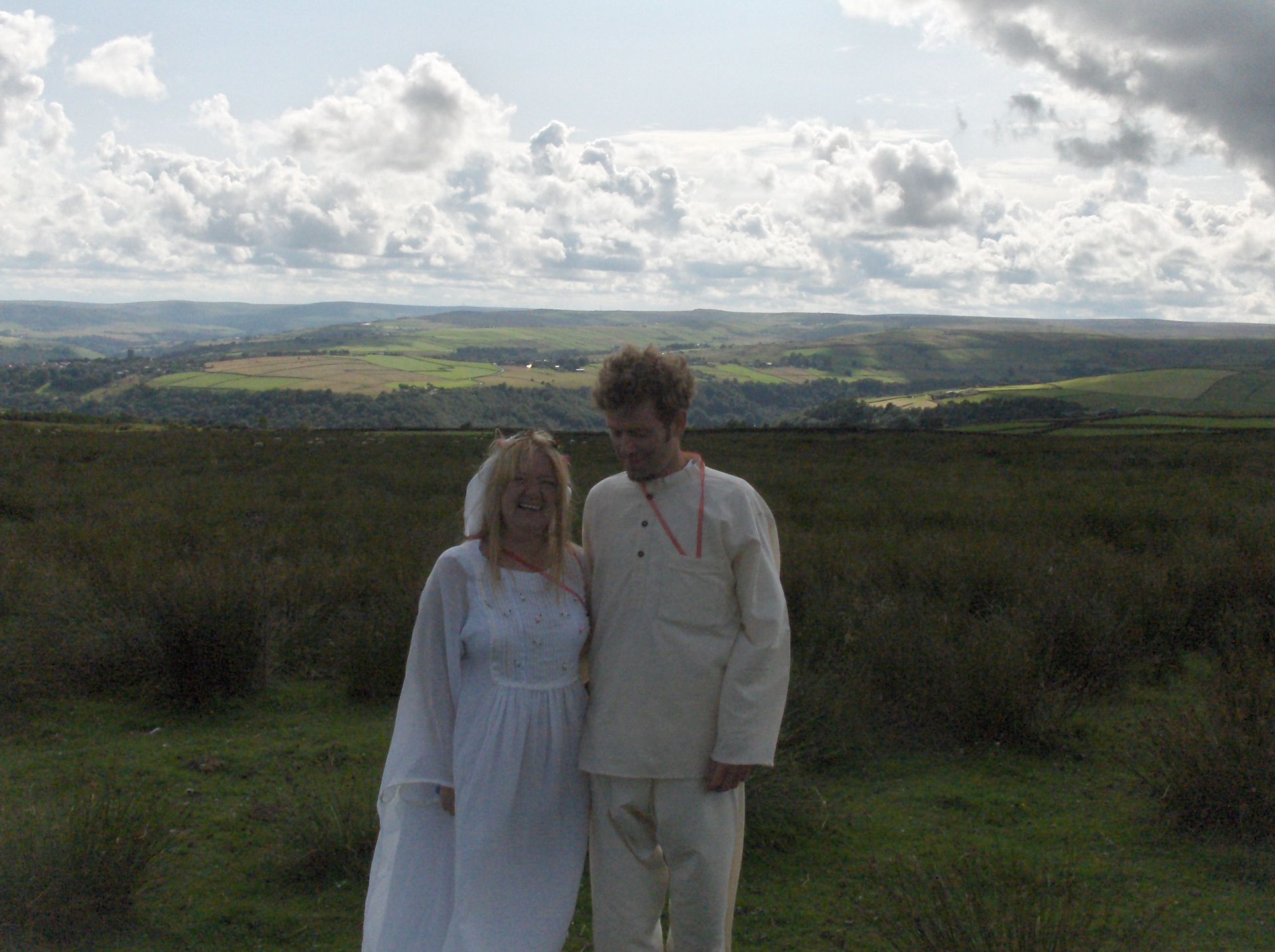
In this episode of An Evolving Man, I spoke with Zena Me, a woman whose work sits quietly beneath many of the conversations we urgently need to be having about leadership, power, and responsibility.
Zena has spent decades working with senior leaders, organisations, and institutions — including policing, business schools, and global corporates — and what struck me most was not just what she has seen, but what she has been willing to name.
That much of what we call leadership today is still operating from unexamined trauma.
Leadership roles vs the human being
One of the clearest distinctions Zena makes is between the person and the role.
So many leaders become identified with their position — their title, authority, or power — that they lose contact with who they are beneath it. The role consumes the self. And when that happens, decision-making narrows, empathy shrinks, and systems begin to serve themselves rather than the people within them.
Leadership, in its truest sense, is not about dominance or heroism. It is about serving the system, not being swallowed by it.
Yet many leaders are deeply entangled — psychologically, emotionally, and often unconsciously — in the systems they lead. Their identity, belonging, and safety are tied to the institution itself. To question it feels like a threat to survival.
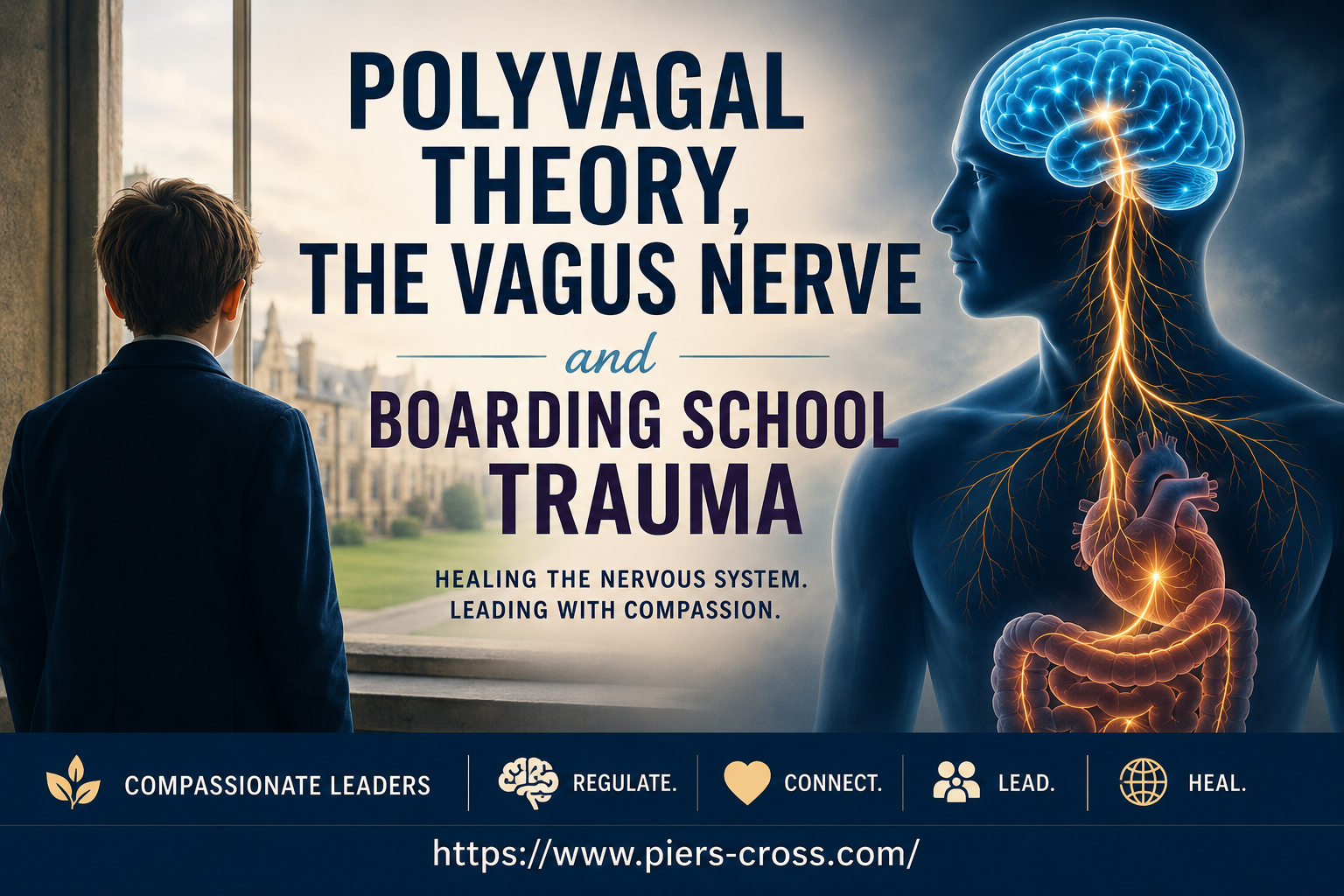
For those who grew up in boarding schools, military families, or rigid hierarchical systems, this entanglement often begins early.
Boarding school, attachment, and institutional loyalty
As we spoke, I was struck by how closely Zena’s observations mirror what I see repeatedly in former boarders.
When a child is placed into an institution at a young age, the institution always comes first. The needs of the child come second. Survival requires compliance, silence, and emotional withdrawal.
You learn very quickly:
- Don’t speak up
- Don’t show vulnerability
- Don’t challenge the system
- Don’t betray loyalty
This doesn’t create resilience. It creates dissociation.
And dissociation, when carried into adulthood, often shows up as:
- Difficulty accessing emotions
- Fear of being seen
- Over-identification with roles or status
- Avoidance of conflict
- A profound fear of speaking truth to power
When people shaped by these environments rise into leadership, they often reproduce the very systems that wounded them — not because they are malicious, but because those systems feel familiar and safe.
Emotional intelligence: talked about, but rarely embodied
We spoke at length about emotional intelligence — a concept that has been fashionable in leadership circles for decades.
The problem isn’t that leaders don’t understand emotional intelligence. Many can speak the language fluently.
The problem is that it is often intellectualised rather than embodied.
You cannot think your way into emotional intelligence. It requires:
- Feeling sensations in the body
- Tolerating discomfort
- Staying present with fear, shame, grief, and anger
- Allowing emotion to move, not be managed
Many organisations are simply not safe enough for this work. Leaders fear exposure, humiliation, and loss of authority. Boards fear what might surface if people are allowed to feel.
So emotions are “managed”, “contained”, or quietly avoided.
And trauma remains unspoken.
Organisational trauma and ungrieved loss
One of the most powerful parts of our conversation was around organisational trauma.
Institutions carry trauma just as individuals do.
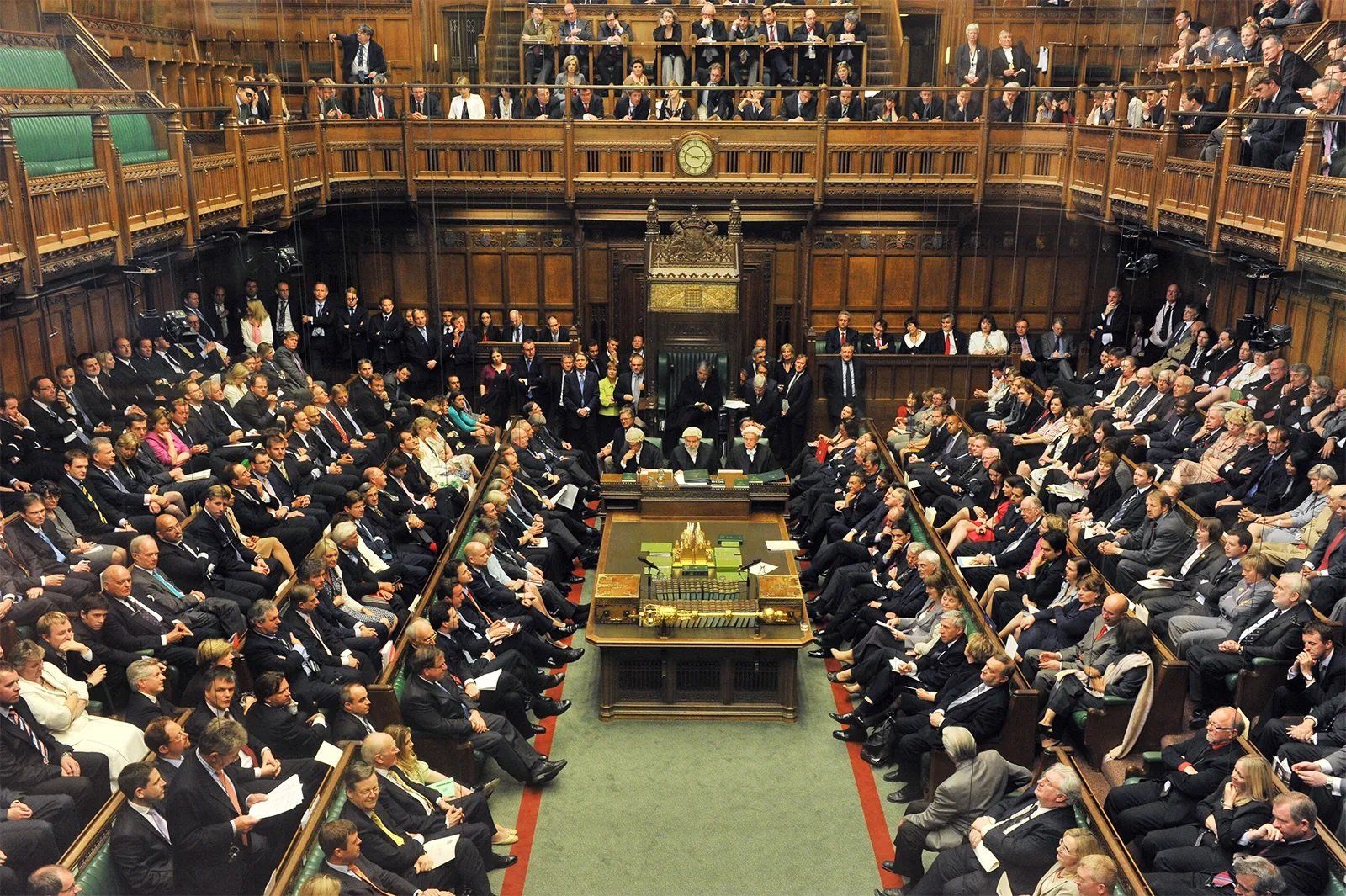
Mergers, acquisitions, redundancies, scandals, colonial histories, abuse, silencing — these events leave emotional residues that are rarely acknowledged, let alone grieved.
Instead, organisations dissociate:
- Values are written on walls but not lived
- People are replaced, not mourned
- Systems prioritise results over relationships
- Punishment replaces accountability
Without grief, nothing truly heals.
We see this everywhere — in corporations, politics, education, and even national life. Trauma that is not acknowledged does not disappear. It gets reenacted.
Why punishment doesn’t heal systems
Zena named something that feels especially relevant right now: our cultural obsession with punishment.
When wrongdoing is exposed, we scapegoat individuals, demand resignations, and move on — believing justice has been served.
But punishment alone does not heal trauma.
Healing requires:
- Truth telling
- Witnessing
- Accountability with humanity
- Grief for what was lost or harmed
Without this, the system remains unchanged beneath the surface.
The missing piece: Eldership
This is where Zena’s work on eldership becomes so important.
Eldership is not about age.
It is about having crossed inner thresholds.
An elder is someone who has:
- Disidentified from status and role
- Faced their own trauma and shadow
- Let go of blind loyalty to systems
- Developed the capacity to sit with complexity
- Become accountable to something larger than themselves
Our society is desperately short of elders.
We have leaders.
We have managers.
We have experts.
But we lack people who can hold:
- The past and the future
- Personal and collective trauma
- Power and humility
- Truth without retaliation
Elders are not heroes. They are anchors.
From leadership to eldership
Zena’s invitation is not that everyone becomes a public figure or institutional leader.
Eldership can live:
- In families
- In communities
- In professions
- In quiet acts of truth telling
- In refusing to collude with silence
Each of us has an eldership niche — shaped by our history, our wounds, and the work we have done to integrate them.
For those of us who grew up in institutions that taught us to disappear, eldership begins with one radical act:
Choosing not to dissociate anymore.
Choosing to feel.
Choosing to speak.
Choosing to belong to ourselves first.
A closing reflection
As we ended the conversation, I was reminded of something my wife used to say about leadership in Indigenous cultures — that when a tribe faced a major decision, they went to the grandmothers.
Not for speed.
Not for certainty.
But for wisdom that considered seven generations forward — and seven generations back.
That kind of wisdom cannot be rushed.
It cannot be performed.
And it cannot exist without healing.
If we want different systems, we will need different people holding them.
And if we want different leaders, we will need elders.