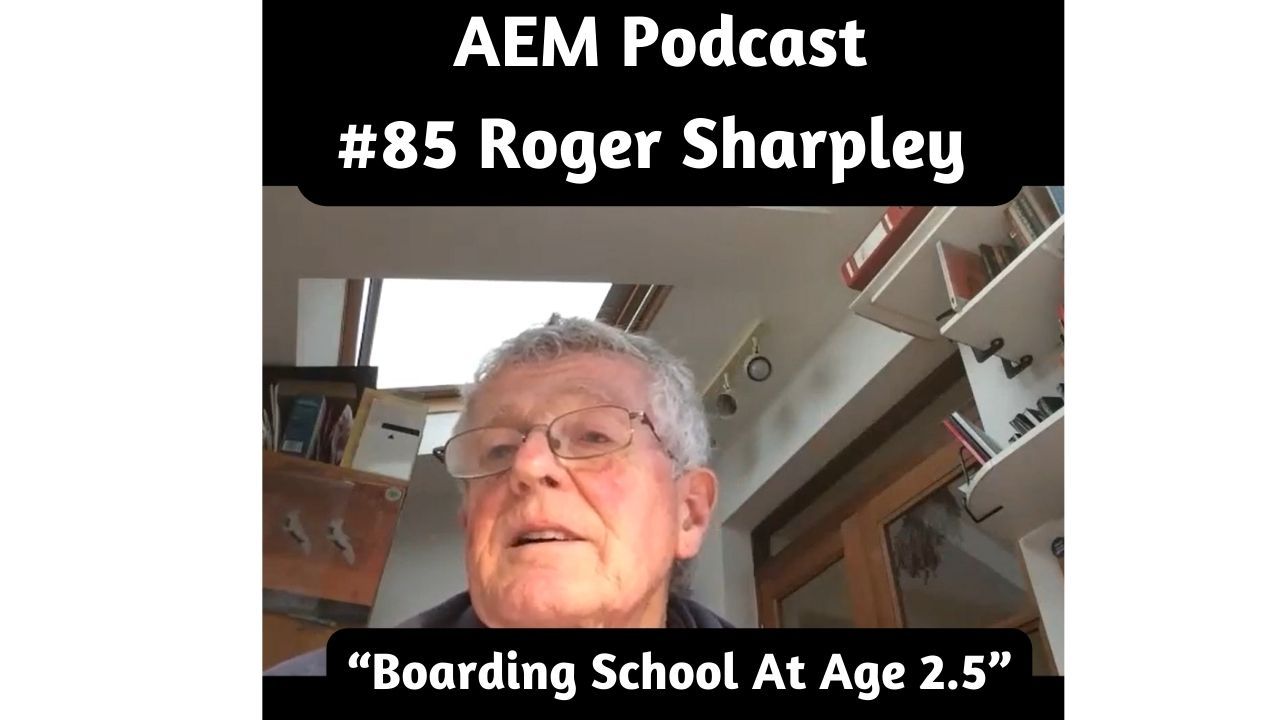
Boarding School Trauma from Age 2: Roger Sharpley on PTSD & Healing (Episode 85) AEM Podcast #85
Boarding School Trauma from Age 2:
Roger Sharpley on PTSD & Healing
(Episode 85)AEM #85
What happens when a child is sent away to boarding school before they can even form memories?
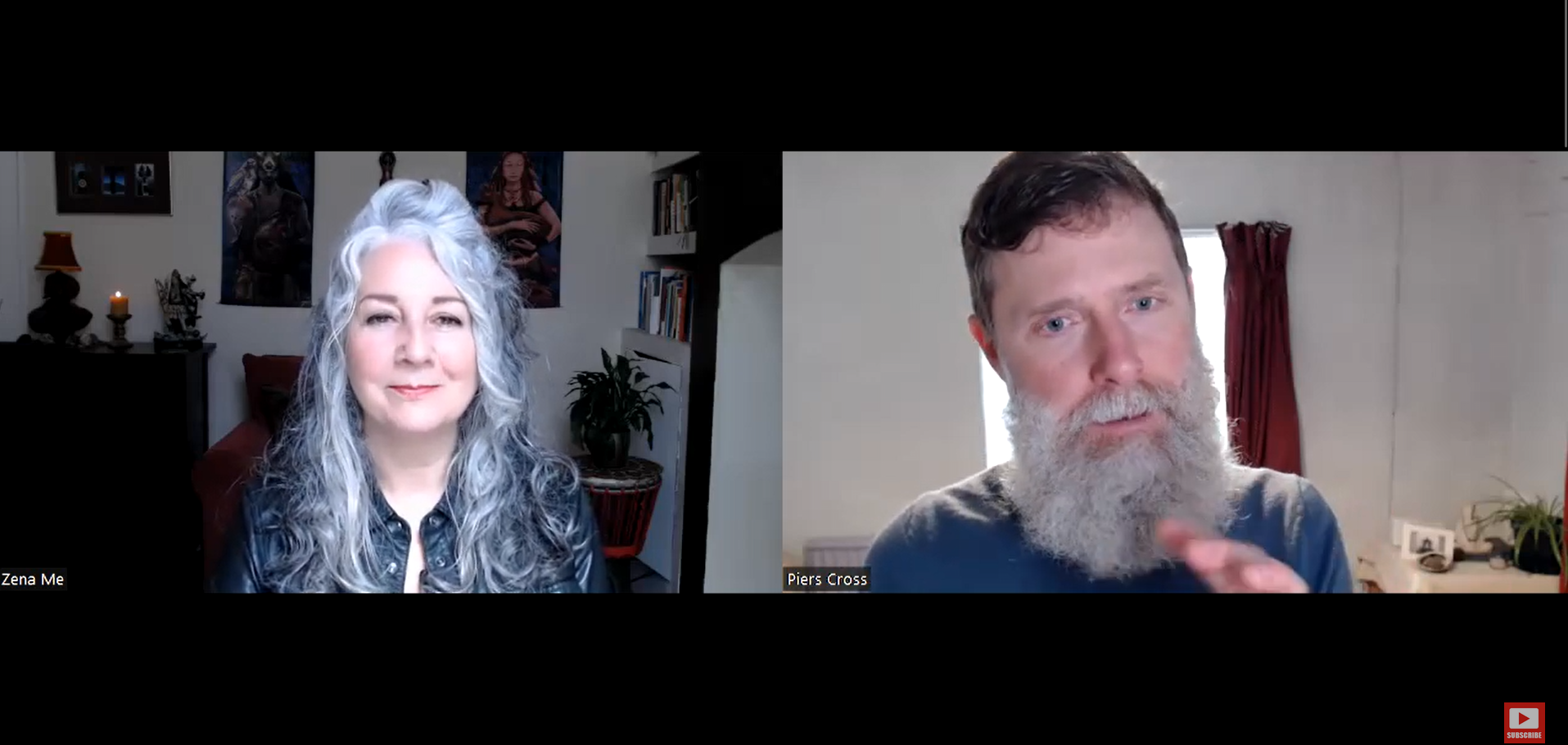
In Episode 85 of An Evolving Man Podcast, I speak with Roger Sharpley, a retired homeopath, former seismology worker, and boarding school survivor who was sent away at the age of two and a half and remained in boarding institutions until he was seven and a half.
This is one of the most profound conversations I’ve had about early childhood separation, developmental trauma, and the invisible ways the body remembers what the mind cannot.
👉
Listen to Episode 85 here:
For full podcast episode
👉
Explore boarding school trauma resources:
For the full list of episodes
Why this episode is so important
Most conversations about boarding school trauma focus on children aged 8, 11, or 13.
Roger’s story forces us to confront a much more uncomfortable truth:
Trauma can occur before conscious memory exists — and still shape an entire life.
This episode explores:
- What happens to the nervous system when separation occurs in early childhood
- Why memory loss itself can be a symptom of trauma
- How anxiety, freeze responses, and shame develop without obvious “events”
- Why many survivors spend decades trying to feel safe — without knowing why
Sent away at two and a half years old
Roger was sent to boarding school alongside his sister when he was just two and a half years old.
His parents were not cruel — but they were traumatised themselves:
- His mother lost her own mother at a very young age
- His father was one of thirteen children and largely raised by siblings
- Neither had a model of secure parenting
- They were running a demanding bakery and restaurant business
From their perspective, boarding school was a practical solution.
From a developmental perspective, it was catastrophic.
Roger describes having almost no conscious memory of boarding school — a red flag in itself.
Modern trauma research tells us that early neglect and abandonment are often encoded somatically, not narratively.
Neglect, force-feeding, and failing health
As the conversation unfolds, fragments of memory emerge:
- Being force-fed by having his nose held shut
- Chronic hunger and poor nutrition
- Being sent to a convalescent home because his health was failing
- A sense of not surviving — physically or emotionally
These experiences align closely with the NSPCC definition of neglect:
“The ongoing failure to meet a child’s basic needs — the most common form of child abuse.”
Neglect is often minimised because it lacks drama. But neurologically, it can be just as damaging as overt abuse.
“I didn’t think I would survive” — trauma stored in the body
One of the most striking moments in the episode comes when Roger recounts surviving a hurricane at sea in 1970 while working on a seismic survey vessel.
As the boat was battered by the storm, he had a sudden, familiar thought:
“I’ve felt this before. I’m not going to survive.”
That sensation didn’t come from the ocean.
It came from boarding school.
This is a textbook example of implicit traumatic memory — where the body remembers danger even when the mind has no story attached.
PTSD, memory loss, and the freeze response
Roger was later diagnosed with Post-Traumatic Stress Disorder by a therapist.
His most debilitating symptom is severe memory impairment:
- Difficulty remembering recent events
- Getting lost easily
- Struggling with names and faces
- Feeling embarrassed and ashamed by cognitive lapses
Rather than being “stupid” (a label many ex-boarders internalise), this is consistent with chronic freeze and dissociation — survival responses that impair memory encoding and retrieval.
As Roger puts it:
“I always carried the belief that I was stupid. But I’m not. My nervous system just learned to shut down.”
Therapy that finally works
Roger has been in therapy for decades — but it wasn’t until he began working with a therapist who was also an ex-boarder that real progress began.
Why?
Because being understood matters.
Trauma healing is not just about insight — it’s about co-regulation, safety, and resonance. For many survivors, this is the first time they don’t have to explain or justify their pain.
Love, animals, and earned secure attachment
One of the most moving themes in this episode is love.
Roger openly shares that for much of his life he never believed anyone would want to marry him — a belief echoed by many boarding school survivors.
Yet he did find:
- A loving, supportive partner
- A deep bond with a cat who lived for 22 years
- Safety and connection through animals, who offer non-demanding, unconditional presence
From an attachment perspective, this is earned security — healing that happens later in life through safe relationships.
Healing practices that helped
Roger’s healing has been slow, layered, and deeply embodied.
Practices that supported him include:
- Long-term psychotherapy
- Meditation (particularly Buddhist practice inspired by Thích Nhất Hạnh)
- Tai Chi and Qigong — practised daily for decades
- Singing in a choir (repairing early shame around his voice)
- Slowing down the nervous system rather than “fixing” himself
These are not quick fixes. They are regulation practices — ways of teaching the body that it is no longer in danger.
The cost of early separation
This episode powerfully illustrates a truth that still makes many people uncomfortable:
Separating children from their parents in early childhood is a profound developmental risk.
Not because parents don’t love their children — but because no institution can replace attachment, touch, and emotional attunement.
As Roger’s story shows, the effects can last a lifetime.