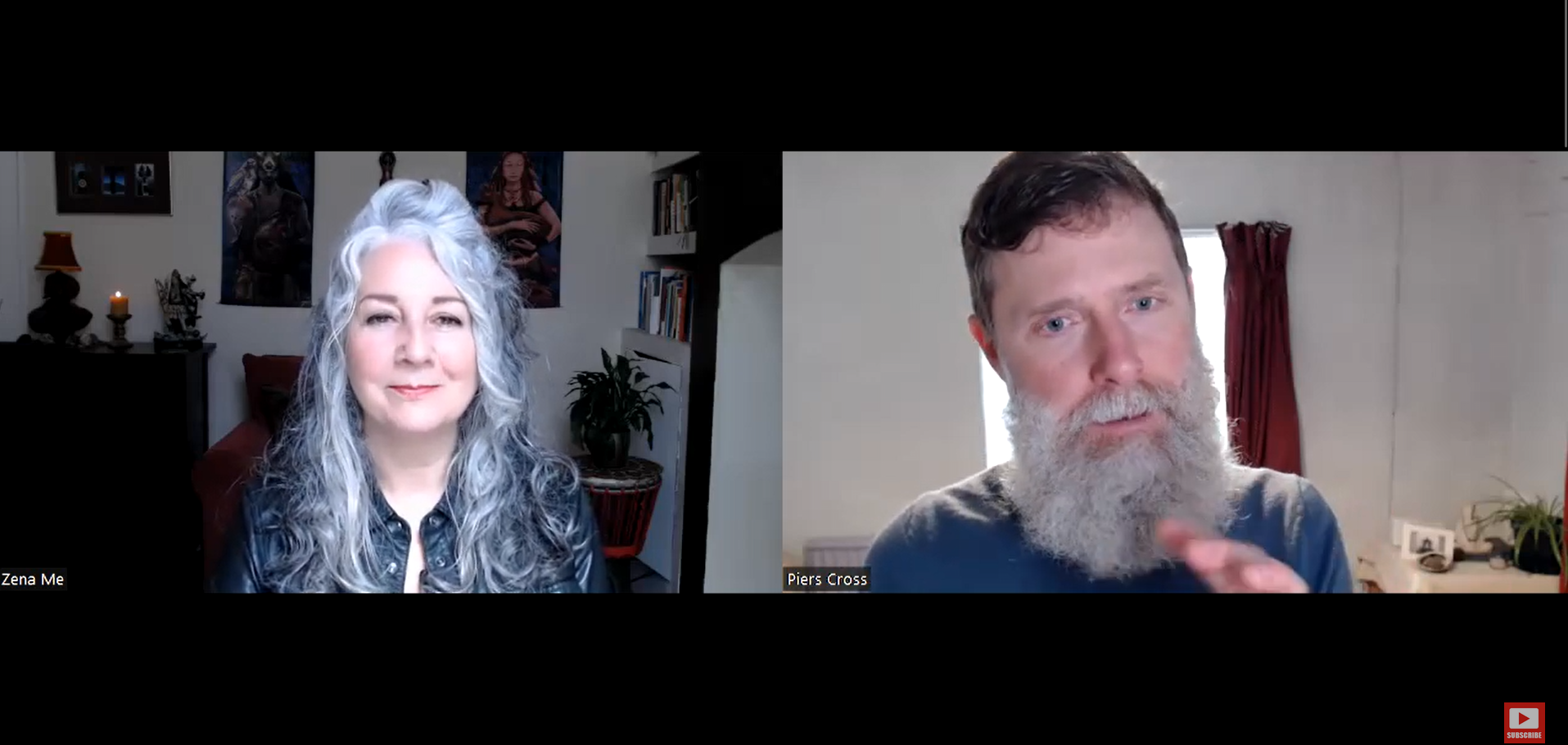

Home at Last: Freedom from Boarding School Pain | Scrooge | Syndrome | AEM #86 Dr Mark Stibbe
Boarding School Trauma & Healing: Dr Mark Stibbe on “The Boarded Heart” (Episode 86) AEM #86
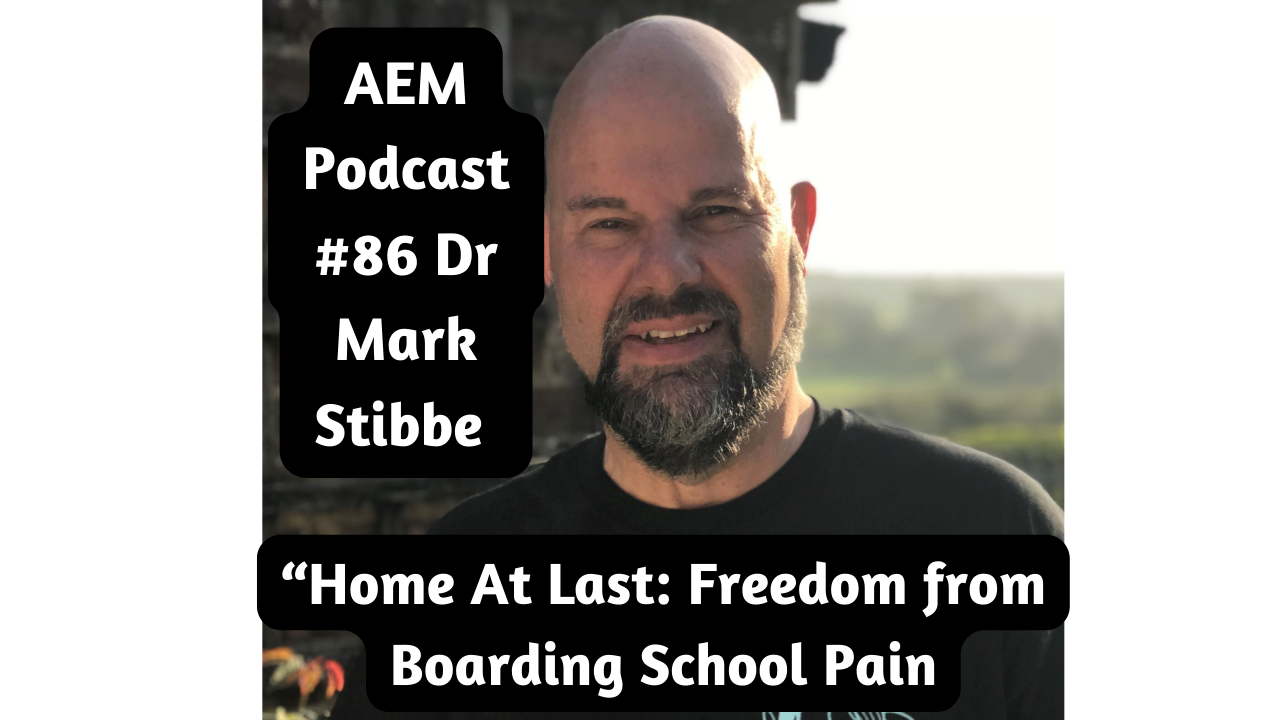
What happens to a child’s heart when they’re sent away too young — and punished for needing love?
In Episode 86 of An Evolving Man Podcast, I’m joined by Dr Mark Stibbe — author of over 50 books, Cambridge University Press published PhD, award-winning novelist, and former Church of England vicar — for one of the most profound conversations we’ve had on boarding school trauma, emotional shutdown, and the often-overlooked spiritual dimension of healing.
Mark describes how his own therapy journey began with a breakdown that revealed the true root issue: unresolved public school pain. His language is powerful, precise, and deeply relatable — especially his phrase:
“The boarded heart.”
A child’s decision to stop feeling in order to survive.
👉
Listen to Episode 86 here:
Mark Stibbe episode
👉
Explore more resources on boarding school syndrome and healing:
Boarding School Syndrome
Why this episode matters
Many people still view boarding school through the lens of tradition, prestige, and “character-building.”
But survivors often describe something else:
- attachment rupture
- shame
- abandonment
- violence or humiliation
- emotional numbness
- and long-term difficulty with intimacy, trust, and self-worth
This episode is especially important because Mark doesn’t just describe the trauma — he maps a pathway of recovery that includes:
- psychological insight
- emotional re-connection
- and, crucially for him, spiritual repair
Mark Stibbe: storytelling, orphanhood, and the roots of his writing life
Mark’s early life contains a key theme that runs throughout this conversation: orphanhood and belonging.
Adopted as a child, Mark describes a “golden age” of early years in a story-rich world — a home shaped by books, imagination, and a father figure who read Narnia and Tolkien aloud.
Storytelling was not merely a hobby. It was a form of connection.
And then came boarding school — which Mark describes as:
“A second orphaning.”
This phrase alone captures something many ex-boarders struggle to articulate:
- The trauma is not just the institution
- It’s the felt experience of being left — and having to become someone else to survive it
“The boarded heart”: the moment a child stops feeling
Mark’s boarding school story is searing.
He remembers arriving at prep school on his eighth birthday and hearing the car tyres crunch the gravel as his parents’ car drove away — a sensory detail many survivors mention (the “soundtrack” of abandonment).
Then, on his first night, he drops a bag of marbles. They roll down a staircase and hit the headmaster’s door.
The headmaster storms up with a cane and beats him — publicly — on his birthday.
Mark describes what happens next as a vow:
“I am not going to feel again.”
That decision is not weakness. It’s intelligence. It’s survival.
This is the “boarded heart”:
- the emotional system shuts down
- the child becomes hyperfunctional or compliant
- the true self goes underground
- the body continues living, but something inside goes numb
Why healing began with Nick Duffell’s The Making of Them
A turning point in Mark’s recovery comes through therapy.
His counsellor hands him Nick Duffell’s The Making of Them and warns him to read it somewhere safe. Mark describes reading it as physically and emotionally demanding — “like climbing a mountain.”
Because every page mirrored him.
This is a common ex-boarder experience:
- You may believe your struggles are personal failure
- Until you see your story in a pattern
- And suddenly, shame becomes understandable (and therefore workable)
That’s the moment the lights come on.
Dickens, Scrooge, and the psychology of boarding school abandonment
One of the most fascinating and original parts of this episode is Mark’s insight into A Christmas Carol.
He describes a moment (seen powerfully even in The Muppet Christmas Carol) where Scrooge is taken back to his childhood — and the first place the Ghost of Christmas Past brings him is:
boarding school — alone at Christmas — “solitary, deserted, neglected.”
Mark’s point is profound:
- Dickens understood, before modern psychology, that adult hardness often grows from childhood pain
- and that shame (feeling unworthy of love) can be forged through abandonment
For listeners, this becomes an “aha” moment:
boarding school isn’t just a setting in British culture — it’s woven into British literature, leadership, and identity.
Leadership: Pharaoh vs Moses and the wounded leader problem
A major theme in your conversation is leadership — and why many institutions become dangerous when led by people who have never processed their pain.
Mark contrasts two leadership archetypes:
- Pharaoh: power used to build monuments to the self; others are tools
- Moses: leadership as service; presence; humility; shared struggle
This maps closely onto what many trauma-informed leadership frameworks now argue:
- emotionally shut-down leaders often lack empathy
- and leadership without empathy becomes lethal (Mark’s word is strong — and accurate)
This is directly relevant to your audience who care about:
- cultural reform
- public school tradition
- elite networks
- the way trauma replicates through institutions
Soul abandonment: trauma as an inner split
Mark introduces a useful framework: abandonment is not only an external event — it becomes an internal state.
He describes the “split” many boarders live with:
- Feelings: “I am devastated. I am in pain.”
- Thoughts: “This is good for me. I should be grateful. Big boys don’t cry.”
That split can become a lifelong pattern:
- rationalising harm
- minimising needs
- performing strength
- and carrying shame silently
This is why ex-boarders so often say:
“I loved it… but also it broke me.”
The psyche is trying to protect the story of the parents, the system, and the self — all at once.
Healing: therapy, spirituality, and the necessity of forgiveness
Mark’s healing path includes therapy — but he also argues strongly for what he calls psycho-spiritual integration.
In other words:
- the mind needs understanding
- the body needs safety and regulation
- but the soul also needs repair — meaning, belonging, love, and “home”
He also emphasises forgiveness — not as denial, not as excusing harm, but as liberation:
Unforgiveness keeps you in prison.
Forgiveness is a key that opens the door.
And he makes an especially important point:
The hardest forgiveness is often forgiving yourself.
Many survivors know this intimately:
- self-blame for not coping
- shame for being “weak”
- disgust at needs
- anger turned inward
This episode speaks directly to that.
Key topics covered in this episode:
- boarding school trauma
- boarding school syndrome
- public school trauma (UK)
- emotional numbness / dissociation
- attachment rupture
- childhood abandonment wounds
- trauma and leadership
- wounded leaders Nick Duffell
- forgiveness and trauma healing
- spiritual healing after trauma
Episode 86: what you’ll hear
- Mark’s “second orphaning” and why it was worse than the first
- The moment he chose emotional shutdown: the “boarded heart”
- Why The Making of Them was a turning point
- The hidden boarding school origins of Scrooge’s pain
- Pharaoh vs Moses leadership: power vs service
- Why institutions led by unhealed ex-boarders can be dangerous
- Why forgiveness — especially self-forgiveness — matters for recovery
- Mark’s latest novel House of Dreams and its boarding-school survivor theme
👉
Listen to Episode 86:
Full episode
👉
Mark’s work and books
Final reflection
This episode is not anti-education.
It’s pro-child.
It’s about what happens when we call abandonment “character-building,” when we call shame “discipline,” and when we mistake emotional shutdown for strength.
Mark’s message, at its core, is simple:
- Healing is possible.
- Coming home is possible.
- But it requires truth — and tenderness.
FAQ
What is “the boarded heart”?
A survival response where a child emotionally shuts down in boarding school to endure abandonment, shame, or abuse.
Can boarding school trauma affect leadership?
Yes. Unprocessed trauma can reduce empathy, increase defensiveness, and drive power-based leadership patterns.
Does healing require spirituality?
Not for everyone — but this episode explores how psycho-spiritual approaches can support recovery for some survivors.
Why is forgiveness important in trauma recovery?
Forgiveness (including self-forgiveness) can reduce rumination and bitterness and help survivors reclaim inner freedom — without excusing what happened.