
Nature As A Form of Healing | Mental & Emotional Health | AEM #87 Sam Adams
Rewilding Masculinity: Trauma, Nature & Men’s Healing with Sam Adams (Episode 87)
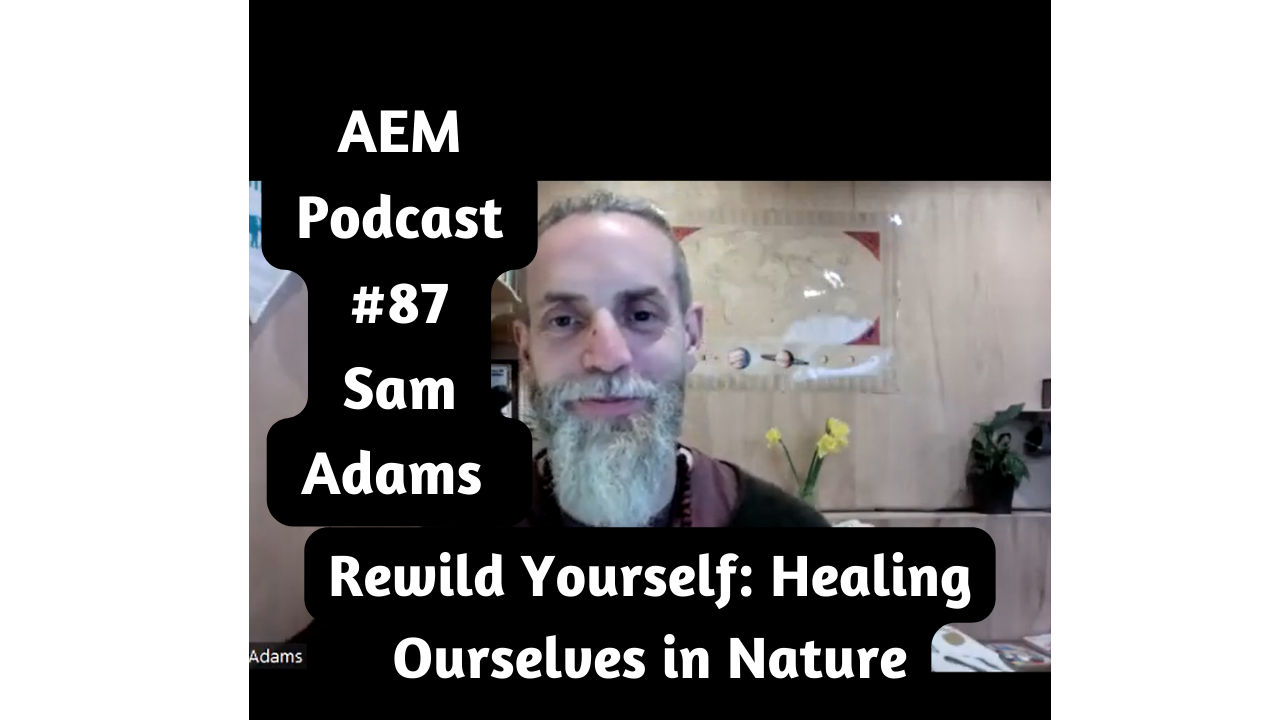
What happens when boys are taught to suppress their emotions, disconnect from their bodies, and sever their relationship with nature — all in the name of “being a good man”?
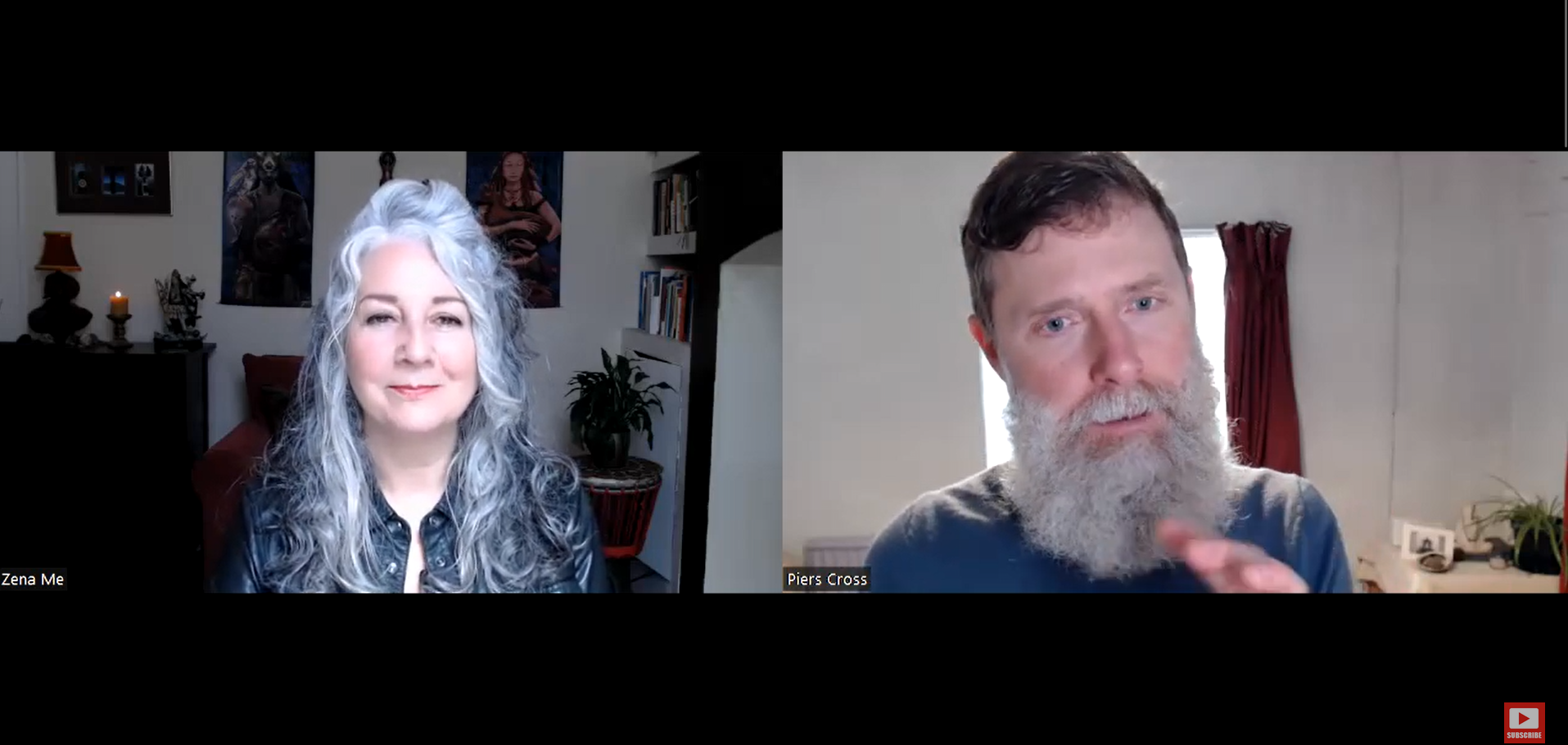
In Episode 87 of An Evolving Man Podcast, I’m joined by Sam Adams, founder of First Men and Red Phoenix Rewilding, to explore how men’s trauma, emotional dissociation, and cultural orphanhood can be healed through nature-based practices, community, and embodied masculinity.
This conversation sits powerfully alongside earlier episodes on boarding school trauma — offering not just analysis, but a pathway home.
👉
Listen to Episode 87 here:
👉
Explore more trauma & healing resources:
Why this episode matters
Many men arrive in adulthood:
- emotionally numb
- disconnected from their bodies
- ashamed of vulnerability
- unsure what healthy masculinity looks like
As Sam names it so clearly:
We are cultural orphans.
Cut off from:
- elders
- rites of passage
- the natural world
- and embodied wisdom
This episode is about remembering what we’ve forgotten — and how trauma can become a teacher rather than a life sentence.
Sam Adams: from wounded boyhood to rewilded masculinity
Sam’s journey into men’s work did not begin with theory — it began with unlearning.
He describes growing up with messages many men will recognise:
- “Boys don’t cry”
- “Be a good boy”
- “Don’t make a fuss”
- “Don’t feel too much”
Those messages became internalised curses — shaping how he related to himself, other men, and the world.
His healing unfolded not through force or performance, but through:
- reconnecting with the natural world
- finding safe male community
- and reclaiming a more authentic, sovereign masculinity
Nature as the missing attachment figure
A central theme of this episode is nature as medicine.
Sam describes how his relationship with the natural world became a place of:
- safety
- reflection
- regulation
- and belonging
For many men — particularly those with early attachment rupture (including boarding school survivors) — nature offers something humans sometimes could not:
consistent presence without judgement
This is not romantic escapism.
It is nervous system repair.
The seasonal map: a framework for healing and self-understanding
Sam introduces a powerful map based on nature — using:
- the compass points
- the seasons
- the sun’s movement
- and the elements
This map becomes a way to orient the psyche.
The Four Directions as Inner Landscapes
- East (Spring / Sunrise): birth, beginnings, emotion, emergence
- South (Summer / Midday): passion, action, fire, vitality
- West (Autumn / Sunset): harvesting, grief, integration
- North (Winter / Midnight): rest, death, prayer, renewal
Rather than forcing growth, this model invites attunement.
As Sam says:
“This map is a way home.”
Embodiment: moving beyond insight into lived experience
A critical distinction Sam makes is that this work is not purely cognitive.
Healing requires:
- feeling
- movement
- sound
- breath
- expression
In nature, men are given permission to:
- cry without being shamed
- express anger safely
- shout, roar, or collapse
- be witnessed without fixing
This is especially relevant for men who learned early that emotion equals danger.
Dissociation, masculinity, and emotional shutdown
You bring a crucial trauma lens into the conversation — noting that many listeners:
- grew up with childhood trauma
- attended boarding school
- learned workaholism as a survival strategy
Sam’s work speaks directly to this:
Dissociation is not failure — it’s adaptation.
Nature offers a gentle way back:
- barefoot on the ground
- slowing breath
- eyes open, body present
- movement rather than withdrawal
This is re-inhabiting the body after years of survival mode.
Men, shame, and the power of the circle
One of the most important insights in this episode is about shame.
Men often fear:
- ridicule
- rejection
- humiliation
- being seen as weak
Sam describes how men’s circles interrupt this pattern:
- one man risks vulnerability
- another follows
- shame dissolves through witnessing
This mirrors what trauma research shows:
Healing happens in safe relationship.
Not alone.
Not in isolation.
Not through “man up” culture.
Grief, tears, and being held by the land
Sam shares a deeply moving story of collapsing in grief under a hedge — unable to walk, crying until exhaustion.
Nature held him.
This echoes what many trauma survivors describe:
- grief that was never allowed
- tears suppressed for decades
- emotions finally finding ground
As you reflect, grief — once expressed — becomes cleansing rather than overwhelming.
The next phase of men’s work: from healing to action
A particularly compelling part of this episode is Sam’s insight that men’s work is evolving.
He suggests:
- the first phase was permission to feel
- the next phase is embodied action
Not aggression — but:
- protection
- stewardship
- service
- standing for life
This includes:
- caring for the earth
- defending the vulnerable
- dismantling harmful systems
- mentoring younger men
A shift from Pharaoh energy to protector energy — a theme that resonates strongly with your wider work.
Fire as a metaphor for purpose and leadership
Sam beautifully explores fire as a teaching tool:
- lighting a fire
- tending it
- letting it mature into coals
This becomes a metaphor for:
- relationships
- activism
- leadership
- vocation
A mature masculine does not burn everything down.
He learns how to tend the fire so it feeds others.
Why nature-based healing matters for trauma survivors
For those with early attachment wounds:
- nature provides rhythm
- predictability
- cycles of death and rebirth
- non-verbal attunement
This aligns with trauma-informed practice:
- slow
- sensory
- relational
- embodied
It is particularly powerful for men who struggle with traditional talk therapy.
Key themes covered in Episode 87
This episode naturally supports high-value search topics:
- men’s trauma healing
- rewilding masculinity
- men and emotional dissociation
- nature-based therapy
- eco-psychology
- men’s circles and healing
- masculinity and vulnerability
- healing childhood trauma in men
Episode 87: what you’ll hear
- How early messages shape wounded masculinity
- Why men feel lost in modern culture
- Nature as a map for healing and identity
- The power of seasons and cycles
- Men’s circles and shame healing
- Grief, anger, and emotional expression
- Moving from healing into embodied leadership
👉
Listen to Episode 87:
👉
Learn more about Sam’s work:
Final reflection
This episode reminds us that healing is not about becoming someone new.
It’s about remembering who we were before we adapted to survive.
For men who learned to disconnect:
- from emotion
- from nature
- from each other
Sam offers a grounded, practical, and deeply compassionate invitation:
Come home.
The land remembers you.
And you don’t have to do it alone.
FAQ
What is rewilding masculinity?
A process of reconnecting men to nature, embodiment, emotional truth, and relational integrity beyond cultural conditioning.
How does nature help heal trauma?
Nature supports nervous system regulation, emotional expression, and embodied presence without judgement.
Are men’s circles effective for healing?
Yes. Safe male groups reduce shame, model vulnerability, and support emotional regulation.
Is this relevant for boarding school survivors?
Very. Nature and community offer repair for early attachment rupture and emotional shutdown.