
Boarding School Syndrome and Bereavement: The Grief Many Ex-Boarders Never Processed
Why Losing My Wife Reawakened My Boarding School Trauma
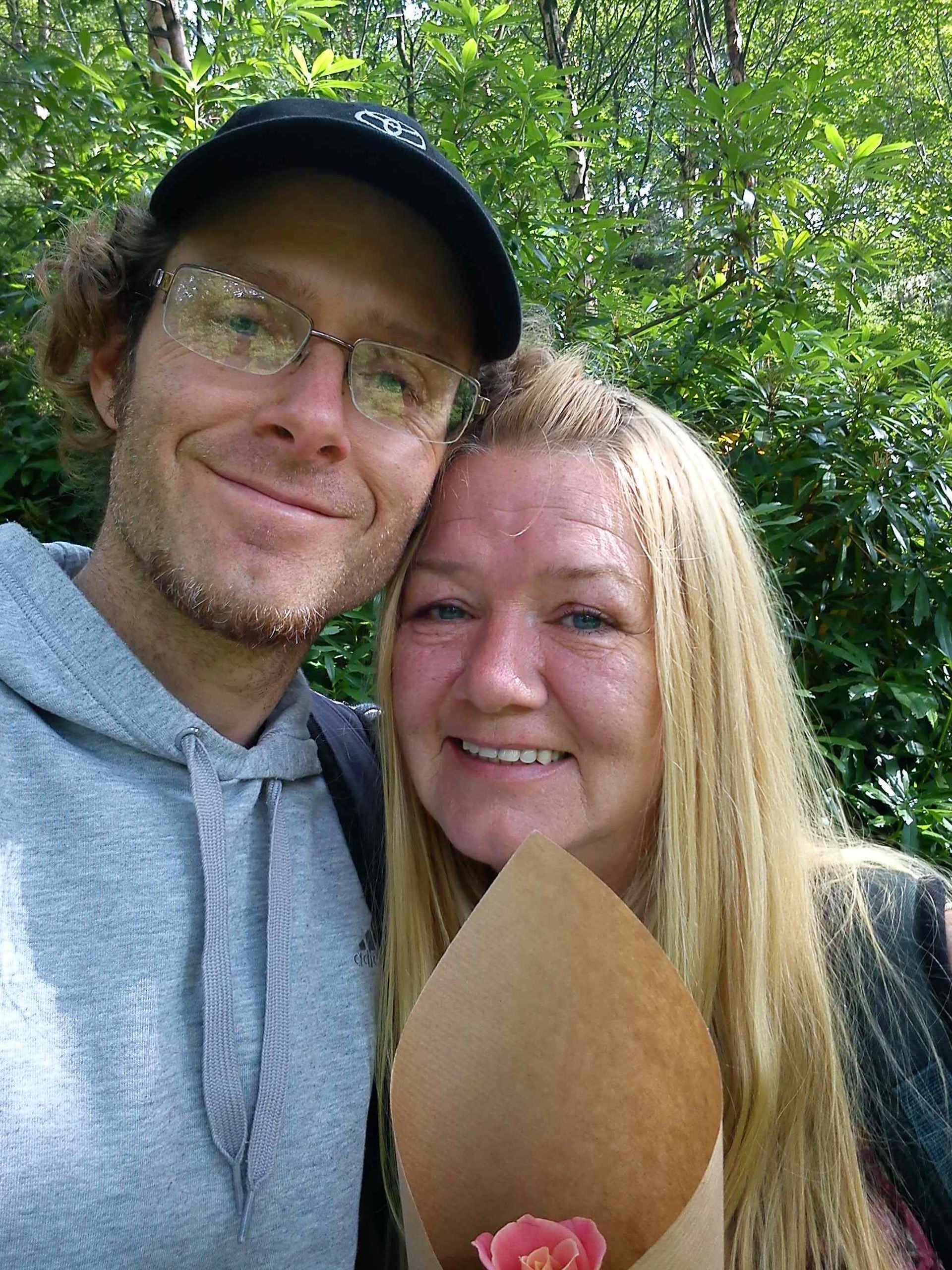
When my wife Michelle died in February 2025, I expected grief.
What I did not expect was that her death would reconnect me with another loss that had remained largely hidden for decades.
- The loss of my mother.
- The loss of my father.
- The loss of my family.
- The loss of home.
- The loss of safety.
As I sat in meditation one morning, I found myself overwhelmed with emotion.
What became clear was that the feelings moving through me were not only about Michelle.
They were also about boarding school.
Was Boarding School a Form of Bereavement?
This may sound controversial to some people.
After all, boarding school is often framed as a privilege.
Many children receive excellent academic opportunities.
Yet from a psychological perspective, something else may also be happening.
A child is separated from the people they are biologically wired to attach to.
- Their parents.
- Their siblings.
- Their home.
- Their familiar environment.
For many children this is experienced as a profound loss.
Joy Schaverien, author of Boarding School Syndrome, argues that what children experience is not homesickness.
It is bereavement.
The difference is that society often recognises one form of grief while denying the other.
The Grief We Were Never Allowed to Feel
When a spouse dies, society understands grief.
People bring food.
They send cards.
They make space.
When children are sent to boarding school, the message is often very different.
"You're lucky."
"You're privileged."
"This is the making of you."
As Paul Sunderland has discussed in his work on adoption and addiction, unrecognised loss is often one of the most damaging forms of loss.
If grief cannot be expressed, it does not disappear.
It simply goes underground.
Many ex-boarders become highly successful adults while carrying an unresolved sadness they do not fully understand.
The Cost of Unprocessed Grief
Unprocessed grief can show up in many ways:
- Emotional numbness
- Addiction
- Workaholism
- Relationship difficulties
- Perfectionism
- Anxiety
- Hyper-independence
- Difficulty receiving support
The child learns to survive by disconnecting from their feelings.
The adult often continues the same strategy.
Feeling What Was Never Felt
One of the most powerful lessons I have learned is that healing does not begin with analysis.
It begins with feeling.
Jim Dethmer, co-author of The 15 Commitments of Conscious Leadership, teaches a simple process:
- Locate the feeling in the body.
- Breathe into it.
- Allow and appreciate it.
- Let it move.
Many emotions only last for a short period when fully felt.
The challenge is allowing ourselves to experience them.
For many ex-boarders, this may be the first time in decades that grief is given permission to surface.
Leadership and Emotional Healing
This work is not only about healing childhood wounds.
It is also about leadership.
Leaders who can acknowledge grief, vulnerability and emotion often become more compassionate, emotionally intelligent and authentic.
When we stop running from our feelings, we become more available to life.
More available to connection.
More available to purpose.
And more available to ourselves.
Healing begins when we stop denying what happened and start allowing ourselves to feel what was never fully felt.
That is where freedom begins.